Motor Axon Guidance: Directing Mammalian Nerve Development with Upbeat Precision
The symphony of mammalian movement, from the rhythmic beat of a heart to the intricate dance of fingers, relies on an astonishing feat of biological engineering: the precise wiring of the nervous system. At the heart of this marvel lies motor axon guidance, the intricate process by which motor neurons extend their axons from the central nervous system to find and connect with their correct muscle targets. This isn't a random wander; it's a meticulously choreographed journey, demonstrating an inherent drive for correct connections – a truly
axon upbeat guidance system that ensures robust development and function. Without this exquisite specificity, our bodies would be unable to move, breathe, or even maintain posture, highlighting the indispensable role of accurate neural pathway formation.
The Blueprint of Movement: What is Motor Axon Guidance?
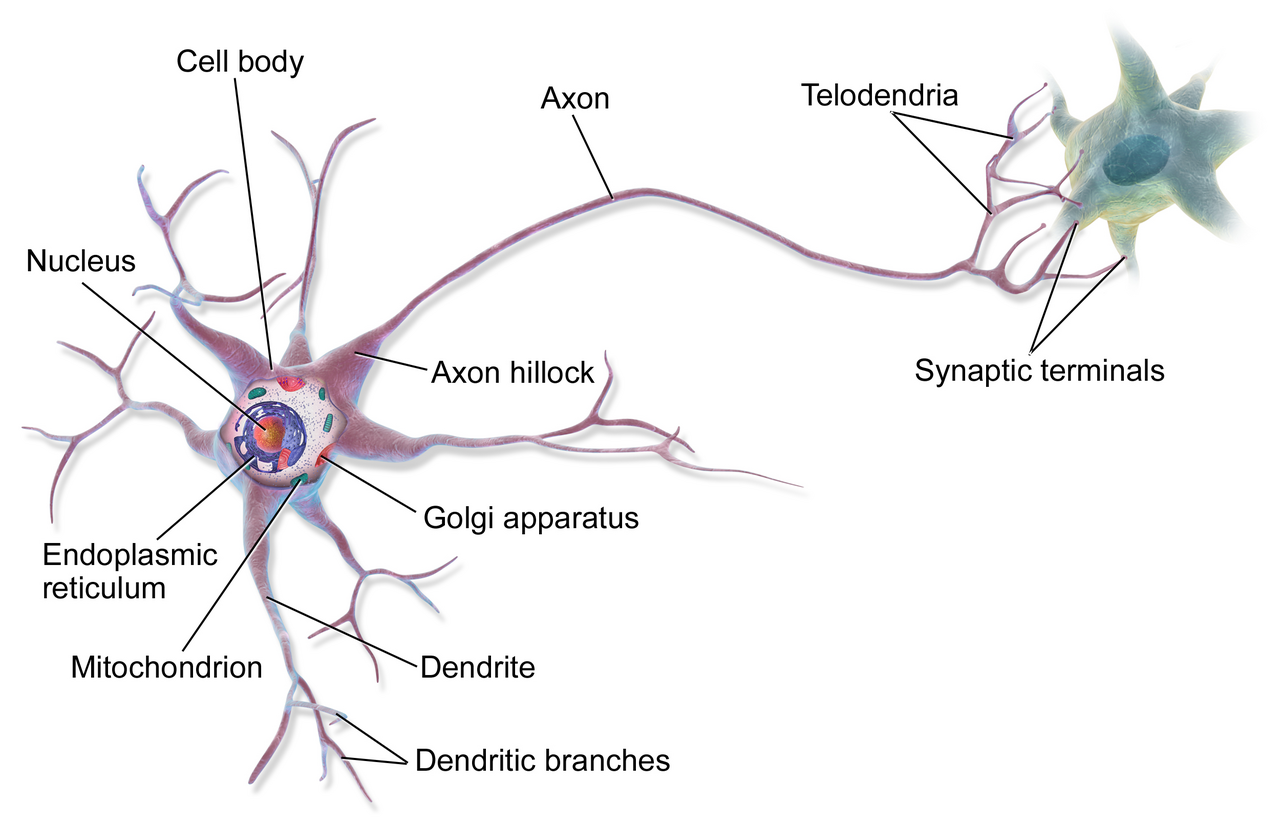
Motor axon guidance refers to the highly regulated developmental process where the axons of motor neurons are directed to their precise postsynaptic targets – specific muscle fibers throughout the body. These neurons originate in the spinal cord (for skeletal muscles) or brainstem (for cranial muscles) and must navigate complex environments, often over significant distances, to reach their destined partners. The challenge is immense: imagine a single cell extending a process thousands of times its own diameter, making countless decisions at cellular crossroads, all while avoiding incorrect connections.
The importance of this guidance cannot be overstated. Every voluntary and involuntary movement we perform, from the simple act of blinking to complex athletic maneuvers, depends on motor axons forming appropriate synaptic connections. Errors in this guidance can lead to severe neurological deficits, ranging from muscle weakness and paralysis to life-threatening respiratory failure. Thus, understanding the mechanisms underpinning this
axon upbeat guidance is not merely an academic exercise but holds profound implications for treating developmental disorders and repairing nerve damage.
Navigating the Neural Labyrinth: Key Molecular Players and Mechanisms
The remarkable journey of a motor axon is orchestrated by a sophisticated interplay of attractive and repulsive molecular cues that act on the growth cone – the dynamic, migratory tip of the developing axon. This growth cone acts like an antenna, sensing its environment and interpreting molecular signals to determine the axon's next move.
Key molecular families involved in this intricate dance include:
- Netrins: Often act as attractive cues, guiding axons towards sources. For example, Netrin-1 secreted by the floor plate of the developing spinal cord helps attract commissural axons across the midline.
- Semaphorins: A large family, exhibiting both attractive and repulsive effects. They play crucial roles in steering axons within limb plexuses and preventing inappropriate fasciculation (bundling).
- Slits and Robos: Primarily function as repulsive cues, essential for preventing axons from recrossing the midline after their initial passage, ensuring proper laterality.
- Ephrins and Eph Receptors: Involved in contact-dependent repulsion and attraction, critical for establishing topographic maps and segregating axon populations in target fields.
These guidance molecules are typically expressed in gradients or in specific transient structures, creating a precise molecular roadmap. Growth cones, equipped with specific receptors, interpret these signals, leading to cytoskeletal rearrangements that dictate the direction of axon growth. The sheer dynamism and precision of this cellular navigation highlight the "upbeat" and forward-moving nature of neural development. For a deeper dive into these fundamental principles, explore
Unveiling Axon Guidance: Key Principles of Neural Pathway Formation.
From Spinal Cord to Muscle: Developmental Highways of Motor Axons
The journey of a motor axon is characterized by a series of choice points and intermediate targets, each presenting a new set of guidance cues. Consider the path of two vital mammalian motor nerves:
The Phrenic Nerve: Lifeline for Respiration
The phrenic nerve originates from motor neurons in the cervical spinal cord (C3-C5 in humans) and travels a surprisingly long distance to innervate the diaphragm, the primary muscle of respiration. This nerve's accurate formation is absolutely critical for survival. Its axons must navigate through the developing neck, past major blood vessels and other nerves, into the thoracic cavity, and finally to the diaphragm.
*
Early Exit: Phrenic motor neurons are specified early and extend their axons out of the spinal cord.
*
Trunk Pathway: They then coalesce into the phrenic nerve trunk, guided by repulsive cues that keep them away from other developing structures and attractive cues that direct them caudally.
*
Diaphragm Innervation: Upon reaching the diaphragm's vicinity, specific molecular interactions mediate the final targeting and synapse formation with diaphragm muscle fibers.
Limb Innervation: Precision for Dexterity
Motor axons innervating the limbs face an even more complex challenge. They must not only find the correct limb but also distinguish between proximal and distal muscles, and between flexors and extensors. This is achieved through:
*
Plexus Formation: Spinal motor axons first form a brachial (forelimb) or lumbar/sacral (hindlimb) plexus, where axons from different spinal cord segments sort themselves.
*
Branching and Bundling: Within the limb, axons branch and bundle into specific nerves (e.g., radial, ulnar, median nerves) guided by localized attractive and repulsive cues from the limb mesenchyme.
*
Muscle-Specific Targeting: Finally, at the muscle target, refined molecular signals ensure that specific motor neuron pools innervate their correct muscles, establishing the topographic maps essential for coordinated movement.
The robustness and precision of this "upbeat" journey, from the initial projection out of the CNS to the final synaptic connection, are testament to the sophisticated genetic programs and molecular interactions at play. The peripheral nervous system, particularly, showcases incredible adaptability and specific targeting. To learn more about how axons navigate outside the brain and spinal cord, see
Peripheral Axon Guidance: Shaping the Nervous System's Edges.
When Pathways Go Astray: Implications of Misguided Axons
Given the complexity, it's perhaps more surprising that motor axon guidance works so well, rather than that it occasionally falters. When these pathways go astray, the consequences can be debilitating or even fatal:
*
Congenital Disorders: Mutations in genes encoding guidance cues or their receptors can lead to congenital cranial dysinnervation disorders (CCDDs), where specific cranial nerves are misrouted or fail to form, resulting in conditions like Moebius syndrome (facial paralysis, eye movement deficits). Similarly, errors in limb innervation can lead to limb deformities or functional impairments.
*
Functional Deficits: Subtle miswirings, even if not overtly structural, can lead to uncoordinated movements, muscle weakness, or spasticity.
*
Challenges in Regeneration: A deeper understanding of guidance cues is vital for promoting nerve regeneration after injury. The adult central nervous system, in particular, becomes a challenging environment for regenerating axons due to the upregulation of inhibitory molecules and the downregulation of many developmental attractive cues. Harnessing the principles of
axon upbeat guidance could unlock new therapeutic strategies for spinal cord injuries or stroke.
Practical Insight: Researchers are actively investigating how to "re-educate" adult axons or modify the environment to mimic developmental conditions, potentially reactivating the growth cone's guidance machinery. For instance, manipulating ephrin-Eph signaling or neutralizing repulsive Semaphorins are promising avenues to encourage axons to regenerate and reconnect after injury.
Conclusion
Motor axon guidance stands as one of the most remarkable and intricate processes in mammalian development. It's a testament to biological precision, where millions of axons follow exact trajectories to form the functional nervous system that underpins all movement. The "upbeat" and dynamic nature of growth cones, constantly interpreting molecular signposts, ensures the formation of vital neural circuits. While much has been learned about the molecular players and cellular mechanisms, the full complexity of how these systems ensure such robust and precise wiring is still being unraveled. Continued research in this field promises not only a deeper understanding of fundamental neurobiology but also the potential to develop groundbreaking therapies for neurological disorders and nerve injuries, ultimately restoring the crucial connections that allow us to move, breathe, and interact with the world.